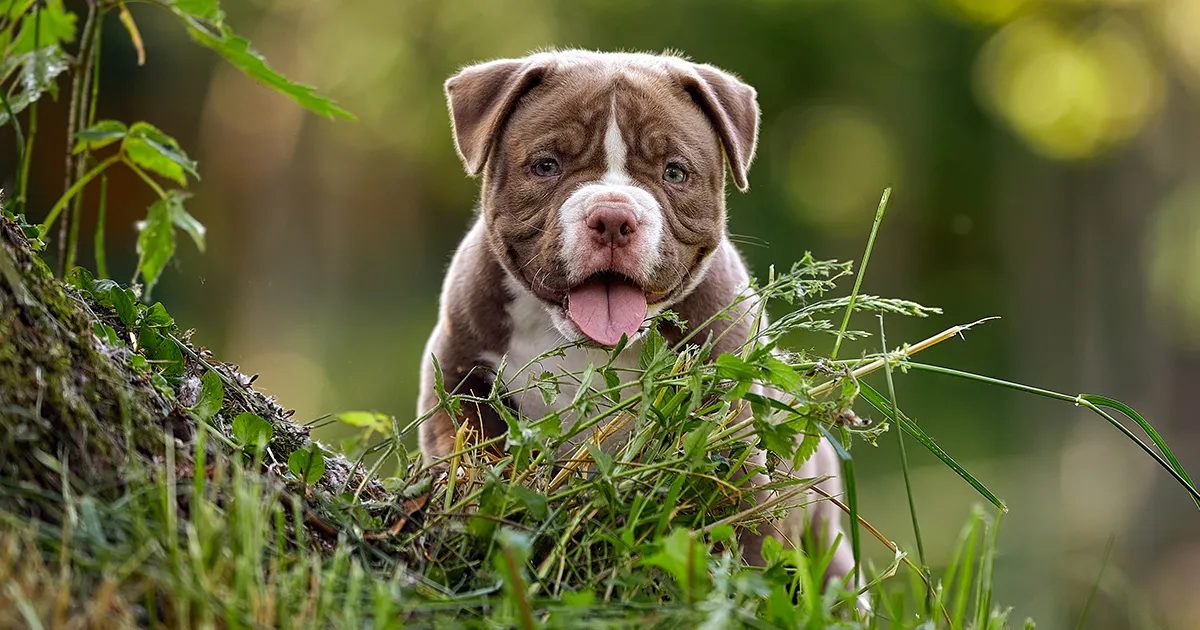
The Reality Of Adopting A Pitbull Puppy: What Every Owner Must Know Before Adopting!
Casey Whitcher
Share this Article:
Unleashing Love: The Ultimate Guide to Adopting a Pitbull Puppy
Are you ready to open your heart and home to a new furry family member? If so, adopting a Pitbull puppy might just be the perfect choice for you.
These loyal and loving dogs have unfairly earned a reputation for being aggressive, but with proper training and socialization, they can make wonderful companions.
In this ultimate guide to adopting a Pitbull puppy, we’ll explore everything you need to know to ensure a successful and fulfilling adoption experience.
From finding the right breeder or rescue organization to preparing your home for your new addition, we’ve got you covered.
We’ll also delve into training tips, health considerations, and the importance of understanding the breed’s history and characteristics.
Whether you’re a first-time dog owner or an experienced pup parent, this guide will equip you with the knowledge and confidence to welcome a Pitbull puppy into your life.
Get ready to unleash love like never before and embark on a journey filled with joy, loyalty, and endless cuddles.
Understanding the Pitbull breed
Pitbulls, often misunderstood and unfairly maligned, are a breed with a rich and complex history.
These muscular, energetic canines were originally bred in the 19th century for blood sports like bull-baiting and dog fighting.
However, their reputation as aggressive and dangerous animals is largely undeserved.
Beneath their tough exterior, Pitbulls are intelligent, loyal, and affectionate companions. They are known for their unwavering devotion to their human families and their eagerness to please.
With proper training and socialization, Pitbulls can make wonderful family pets, excelling in activities like obedience, agility, and even therapy work.
It’s important to understand that Pitbulls are not a single breed, but rather a term that encompasses several breeds, including the American Pit Bull Terrier, American Staffordshire Terrier, and Staffordshire Bull Terrier.
Each of these breeds has its own unique characteristics and temperament, so it’s crucial to research and understand the specific breed you are considering adopting.
Benefits of adopting a Pitbull puppy
Adopting a Pitbull puppy can be an incredibly rewarding experience. These dogs are known for their boundless energy, playful nature, and unwavering loyalty.
One of the primary benefits of adopting a Pitbull is the opportunity to provide a loving home for a misunderstood breed.
Pitbulls are often the victims of breed-specific legislation and are disproportionately euthanized in shelters.
By adopting a Pitbull puppy, you are not only gaining a new furry companion but also making a positive impact on the lives of these deserving animals.
So What Are The Perks?
In addition to the emotional benefits, Pitbulls can also be excellent exercise partners.
Their high energy levels and athletic abilities make them perfect companions for active individuals who enjoy activities like hiking, running, or even agility training.
With proper exercise and mental stimulation, Pitbulls can be well-behaved and loving members of the family.
“A loving home and consistent training will reveal the true, gentle heart of a Pitbull.” — Author Name
This is a regular Quote ~ someone
This is a pull quote not sure how this works
Snoopy
Things to consider before adopting a Pitbull puppy
Adopting a Pitbull puppy is a significant commitment that requires careful consideration.
While these dogs can make wonderful companions, they do have specific needs and requirements that potential owners should be aware of.
One of the most important factors to consider is the breed’s strength and power. Pitbulls are muscular dogs with the potential to cause serious harm if not properly trained and socialized.
Owners must be willing to invest time and effort into obedience training and establishing themselves as the pack leader.
Another important consideration is the potential for breed-specific legislation in your area. Some communities have enacted laws that restrict or ban the ownership of Pitbulls and similar breeds.
Before adopting a Pitbull puppy, it’s crucial to research the local laws and regulations to ensure you can legally and responsibly own the dog.
Pitbulls also have specific grooming and health needs that potential owners should be prepared to address.
Their short coats require regular brushing and bathing, and they may be prone to certain health conditions, such as hip and elbow dysplasia.
Owners must be willing to provide the necessary veterinary care and attention to ensure their Pitbull puppy’s well-being.
Finding a reputable Pitbull rescue or breeder
When it comes to adopting a Pitbull puppy, it’s crucial to find a reputable rescue organization or breeder. This can be a daunting task, but it’s essential to ensure the health, well-being, and temperament of your new furry friend.
If you choose to adopt from a rescue, do your research to find a well-established and trustworthy organization.
Reputable Pitbull rescues will thoroughly screen potential adopters, conduct home visits, and provide support and resources to ensure a successful placement.
This is an H3 that is followed by an H4
This is an h4 with an ordered list
I like dog videos
I like animal videos
I like cat videos
I love cats beat up dog Videos
They may also require potential adopters to undergo training or sign a contract agreeing to specific care and handling guidelines.
When it comes to finding a breeder, it’s important to be cautious and do your due diligence. Avoid any breeders who seem more interested in profit than the well-being of their dogs.
Instead, look for breeders who are members of reputable organizations, such as the American Kennel Club (AKC) or the United Kennel Club (UKC), and who prioritize the health, temperament, and socialization of their Pitbull puppies.
A responsible breeder will be transparent about the puppy’s lineage, health, and temperament, and will be willing to answer any questions you may have.
They should also be willing to provide references and allow you to meet the puppy’s parents, if possible.
By taking the time to find a reputable rescue or breeder, you can increase the chances of a successful and fulfilling Pitbull adoption.
Preparing your home for a Pitbull puppy
Welcoming a Pitbull puppy into your home is an exciting time, but it’s important to ensure that your living space is safe and suitable for your new furry friend.
Proper preparation can make the transition smoother for both you and your pup.
Start by creating a designated space for your Pitbull puppy, such as a crate or a secure area with comfortable bedding, toys, and water.
Pitbulls are naturally curious and energetic, so it’s important to puppy-proof your home by removing any potential hazards, such as small objects, toxic plants, or exposed electrical cords.
Consider investing in sturdy, chew-resistant toys and puzzles to keep your Pitbull puppy mentally stimulated and prevent boredom-related destructive behaviors.
It’s also a good idea to have a designated outdoor space, such as a fenced yard or a nearby park, where your pup can safely explore and get the exercise they need.
Remember, Pitbulls are social animals and thrive on human interaction. Make sure to set aside ample time each day for playtime, cuddling, and positive reinforcement training.
By creating a safe, enriching, and loving environment, you’ll be well on your way to a successful and rewarding Pitbull puppy adoption.
Things to consider before adopting
• Research local laws and breed restrictions (check municipal and rental rules) • Find reputable rescues/breeders and request health/temperament records • Schedule a vet appointment and create a vaccination/deworming plan • Puppy-proof the home: secure cords, toxic plants, and small objects • Buy essentials: sturdy collar, harness, leash, crate, food, toys, ID tag • Prepare a training/socialization plan (classes, playdates, safe exposures) • Discuss responsibilities with household members (feeding, walking, training) • Budget for ongoing costs: food, vet care, training, emergency fund
Training and socializing your Pitbull puppy
Proper training and socialization are essential for Pitbull puppies.
These energetic and intelligent dogs require a firm, consistent, and positive approach to training to ensure they grow into well-behaved, confident, and well-adjusted companions.
Begin training your Pitbull puppy as soon as possible, using positive reinforcement techniques such as clicker training or reward-based methods.
Focus on basic obedience commands, like sit, stay, and come, as well as addressing any unwanted behaviors, such as jumping or nipping.
Consistency is key, so make sure all members of your household are on the same page when it comes to training.
Socialization is also crucial for Pitbull puppies. Expose your pup to a variety of people, animals, and environments in a controlled and positive way to help them develop a well-rounded and confident temperament.
This can include taking them to puppy socialization classes, introducing them to friends and family, and taking them on outings to pet-friendly locations.
Remember, Pitbulls are often the victims of negative stereotypes, so it’s important to be proactive in dispelling these misconceptions.
Ensure your Pitbull puppy has positive experiences with a diverse range of people and situations, and be prepared to educate others about the true nature of the breed.
With consistent training and socialization, your Pitbull puppy will grow into a well-adjusted and trustworthy companion.
Health and nutrition for Pitbull puppies
Pitbull puppies have specific health and nutritional needs that require careful attention.
As a responsible pet owner, it’s crucial to work closely with your veterinarian to ensure your pup’s well-being and longevity.
One of the primary health concerns for Pitbulls is their susceptibility to certain musculoskeletal conditions, such as hip and elbow dysplasia.
Regular veterinary check-ups, including screening for these conditions, can help identify any issues early on and allow for appropriate treatment or management.
In terms of nutrition, Pitbull puppies require a high-quality, protein-rich diet to support their rapid growth and development. Look for a puppy-specific formula that is formulated to meet the unique nutritional needs of large-breed dogs.
Avoid overfeeding, as Pitbulls are prone to obesity, which can exacerbate joint and mobility issues.
It’s also important to keep your Pitbull puppy up-to-date on all recommended vaccinations, preventive care, and parasite control measures.
Regular grooming, including nail trims and ear cleaning, can help maintain your pup’s overall health and hygiene. By staying proactive and vigilant about your Pitbull puppy’s medical needs, you can help ensure a long, healthy, and happy life.
Common misconceptions about Pitbulls
Pitbulls are one of the most misunderstood and maligned dog breeds, often unfairly labeled as aggressive and dangerous.
However, these perceptions are largely based on misinformation and stereotypes, not on the true nature of the breed.
One of the most common misconceptions is that Pitbulls are inherently aggressive. In reality, Pitbulls are no more aggressive than any other breed when properly trained and socialized.
They are often loyal, affectionate, and loving companions that thrive on human interaction and positive reinforcement.
Another myth is that Pitbulls have “locking jaws” that make them more dangerous than other dogs.
This is simply not true – Pitbulls have the same jaw structure as other breeds, and their bite force is not significantly higher than that of other large dogs.
It’s also important to dispel the notion that Pitbulls are unsuitable for families with children.
With proper training and supervision, Pitbulls can be excellent family pets, known for their patience and gentle nature with kids. In fact, Pitbulls were once known as “nanny dogs” for their ability to protect and care for children.
By educating ourselves and others about the true nature of Pitbulls, we can help break down these harmful stereotypes and promote a more positive and inclusive perception of this misunderstood breed.
Conclusion and final thoughts on adopting a Pitbull puppy
Adopting a Pitbull puppy can be a truly rewarding and life-changing experience. These loyal, loving, and intelligent dogs have the potential to become devoted, affectionate, and well-behaved companions when provided with the proper care, training, and socialization.
While Pitbulls do require a bit more time and effort than some other breeds, the benefits of owning a Pitbull far outweigh the challenges.
With their boundless energy, playful nature, and unwavering devotion, Pitbull puppies can bring endless joy, laughter, and companionship to their families.
By dispelling the myths and misconceptions surrounding Pitbulls, we can help create a more inclusive and accepting environment for these deserving dogs.
Responsible Pitbull ownership, combined with public education and advocacy, can make a significant impact on the lives of these often-overlooked pups.
If you’re ready to open your heart and home to a new furry friend, consider adopting a Pitbull puppy. With the right guidance and support, you’ll be on your way to a lifelong bond filled with love, adventure, and countless memories.
So, what are you waiting for? Unleash the love and bring home your new Pitbull companion today.